

Creating value for people, the environment and society
11 September 2026Sustainability starts with the choices we make. With the materials we use, the way we manufacture and the lifespan of our products. For EMMA Safety Footwear, this means continually looking at how the impact on people and the planet can be reduced. Without compromising on what comes first: safety.
Hand in hand
At EMMA Safety Footwear, safety, quality, comfort and sustainability go hand in hand. We always strive to make the best choice across all these areas, taking into account the possibilities of the shoe construction as well as its intended use.
This requires a continuous search for better solutions. What materials is a shoe made from? Which raw materials can we reduce or replace? Which materials can we reuse? How can we ensure that a shoe lasts as long as possible? And who makes the shoe?
A circular future
Our ideal vision for the future is circular: to use as few new raw materials as possible, keep materials in the value chain for as long as possible, and ultimately dismantle products so their materials can be recovered and reused. We are not there yet, but every day we take steps to get closer.
Sustainability in focus: 5 products
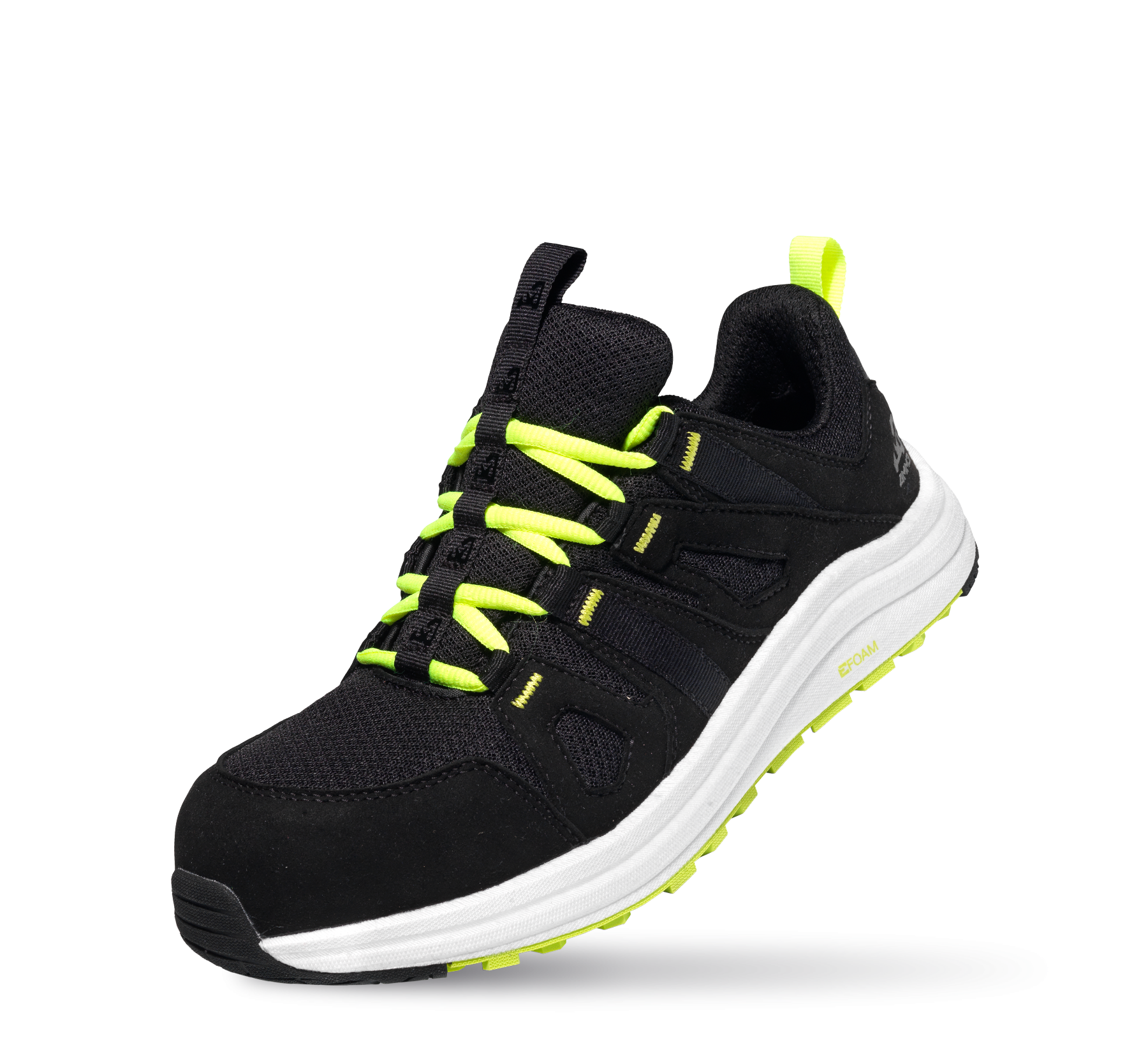
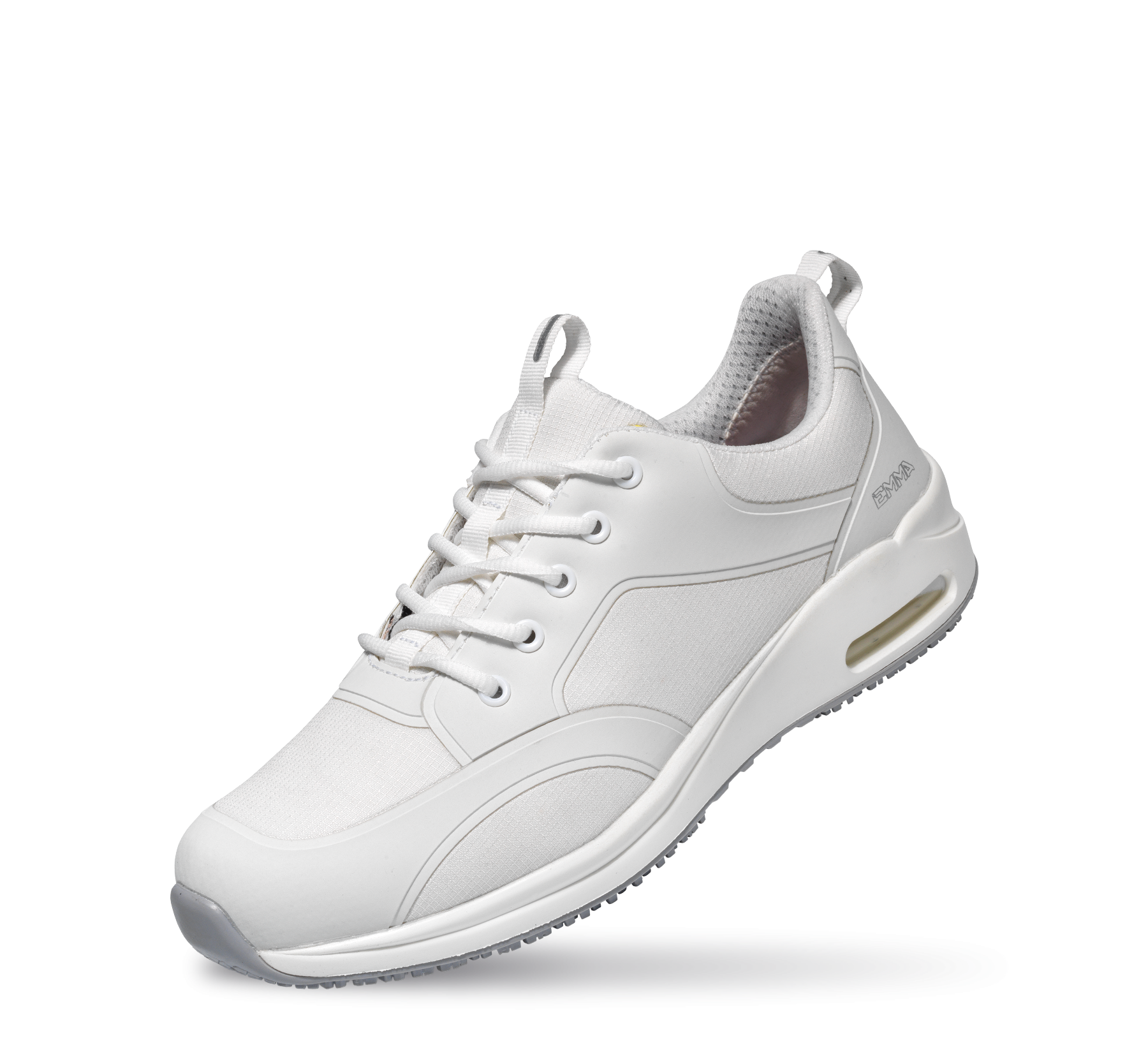
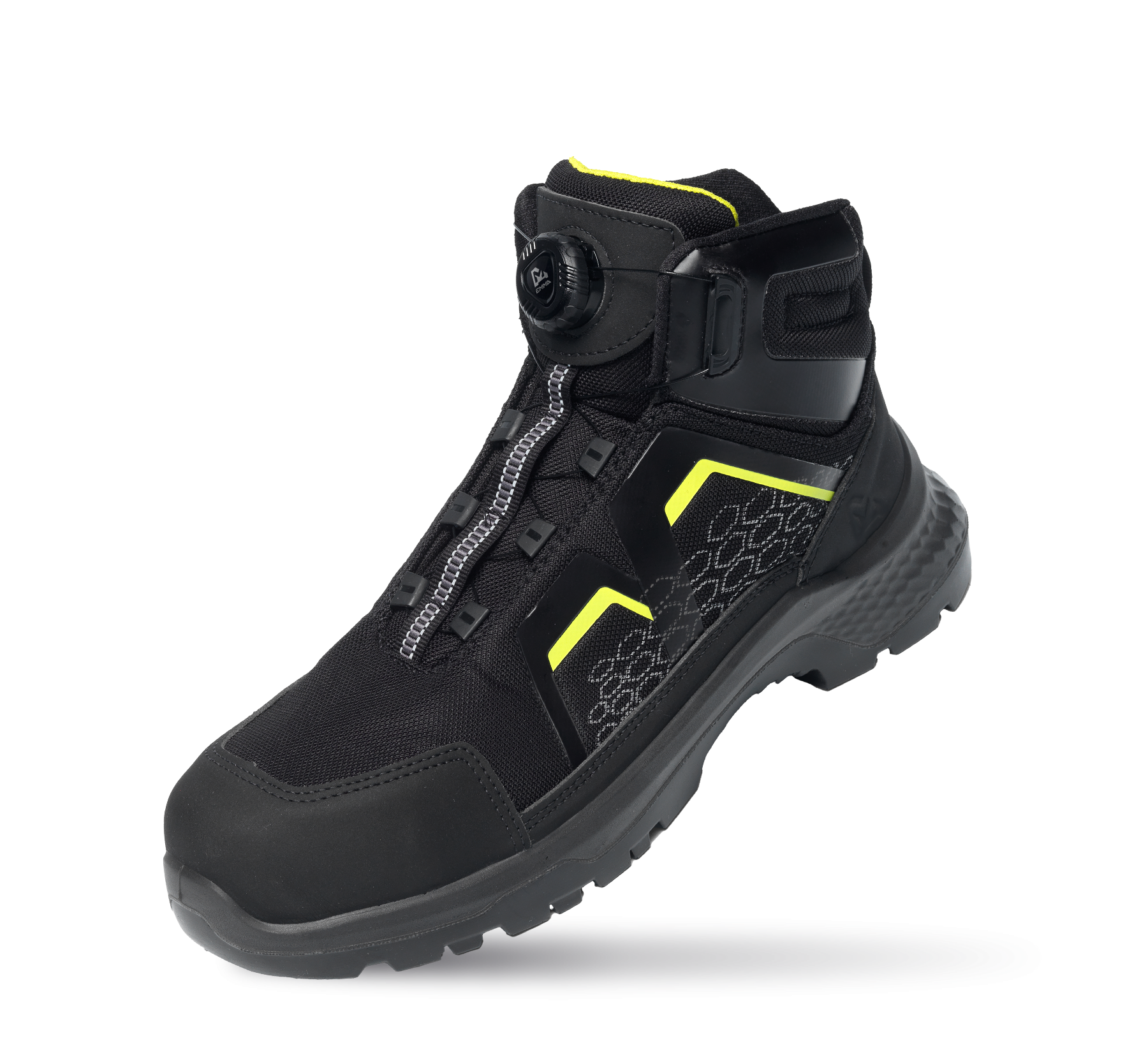
In this article, we show what this looks like in practice. Using five EMMA products as examples, we highlight different aspects of our sustainable choices. From reducing material use and extending product lifespan to social inclusion and the reuse of materials.
For EMMA Safety Footwear, responsible business means creating value for people, the environment and society. Today and for the future.
 |
|
 |
|
 |
|
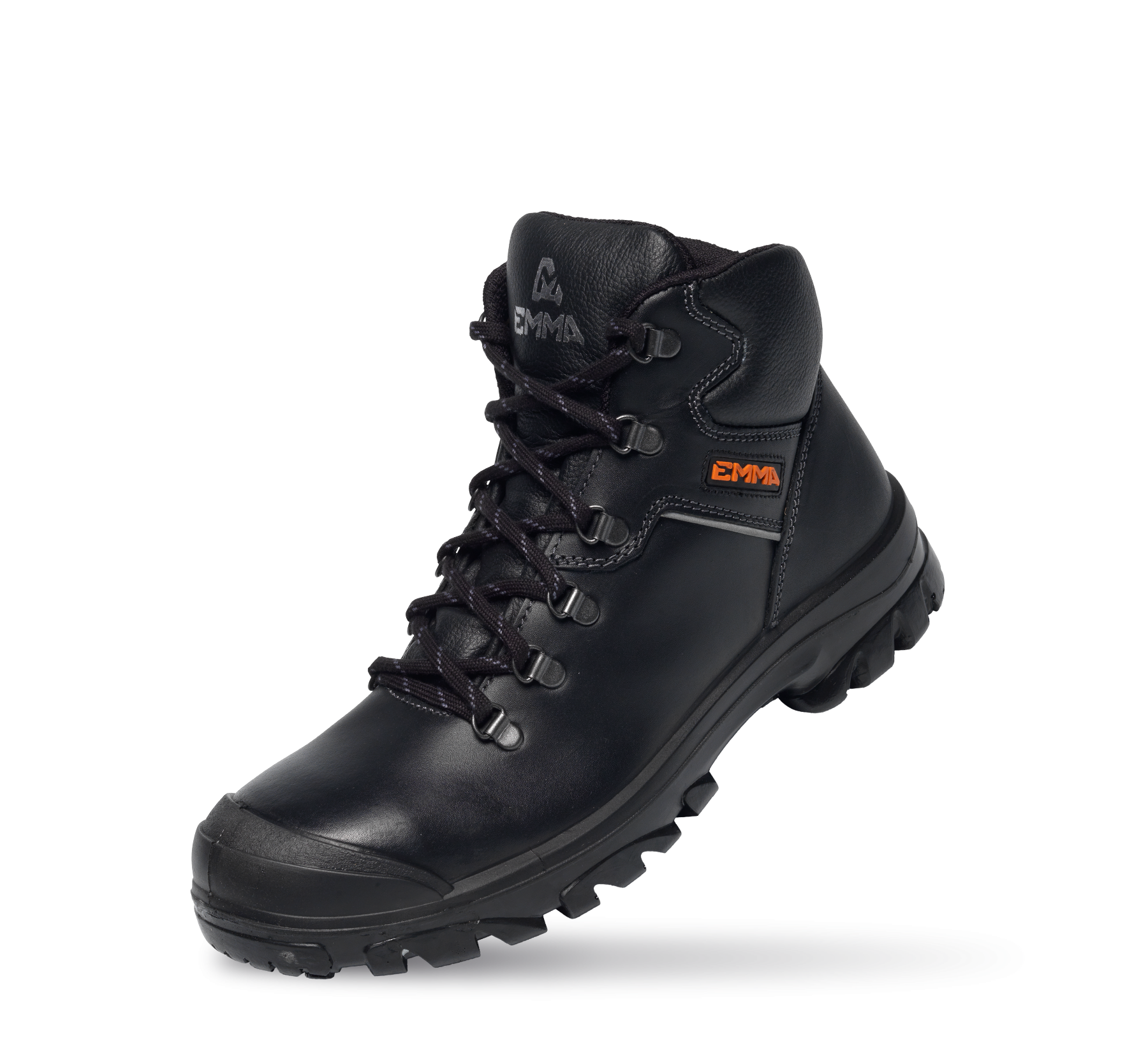 |
Lukas S3Made to last Lukas S3 is designed for intensive, heavy-duty use. That is why we consciously choose leather: a robust material that can withstand demanding conditions and lasts a long time. This significantly extends the lifespan of the shoe, making it a more sustainable choice. When we use leather, we do so responsibly. All the leather purchased by EMMA Safety Footwear is high quality and sourced from suppliers with Gold certification from the Leather Working Group (LWG). At the same time, we look at where recycled materials can be incorporated into the design. Lukas S3 features a fastening made from 98% recycled rPET, a lining made from 65% recycled polyester and an insole containing 85% recycled material. In addition, the extra stitching in the heel helps to reduce wear and tear. Lukas S3 shows that sustainable design starts with a conscious choice of materials: strong and robust where needed, recycled where possible. |
|
|
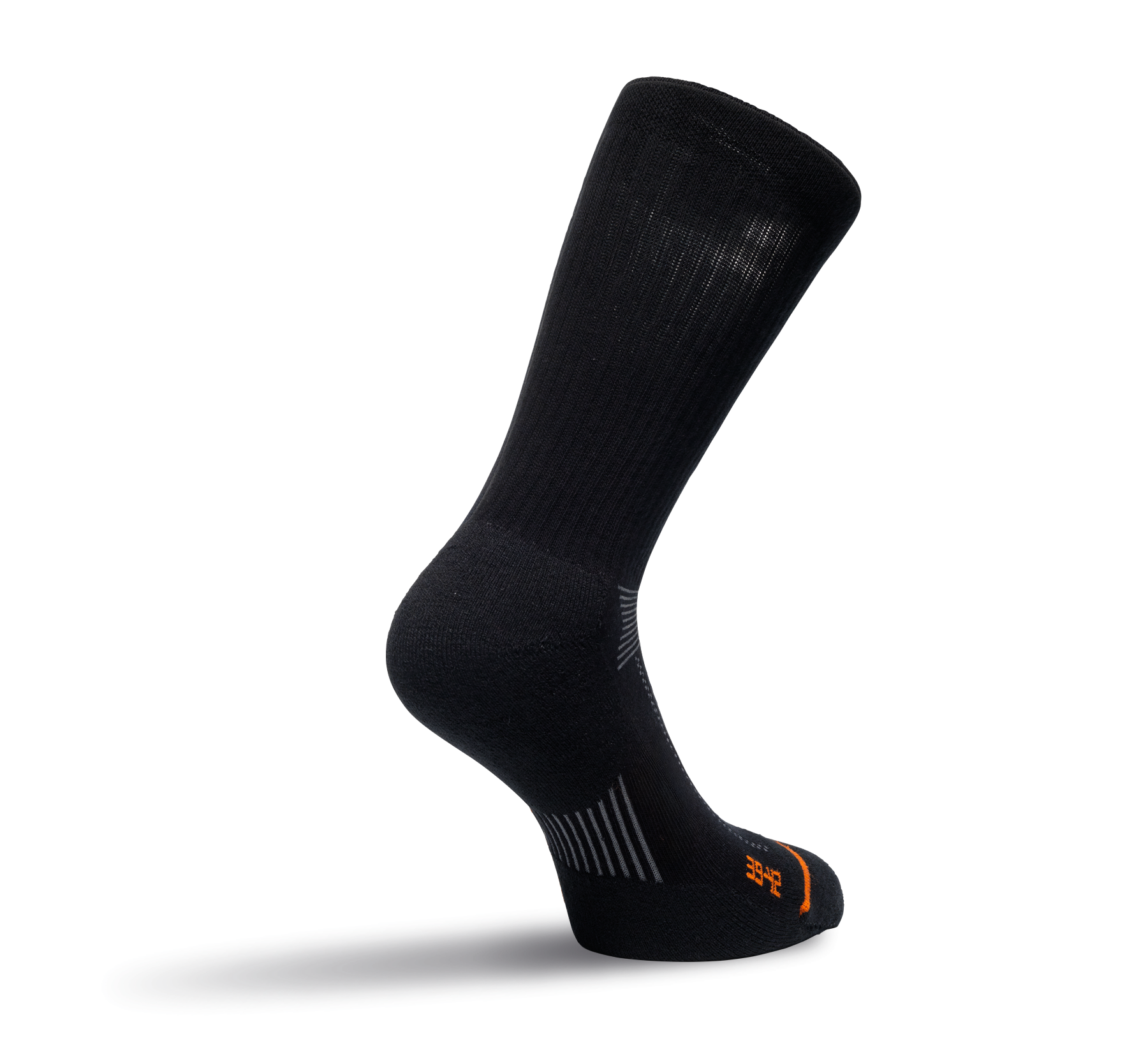
Hydro-dry® working sustainable sockFrom sea to sock Beyond our safety shoes, we also look for ways to give materials a second life. Our socks are a great example of this. For example, the Hydro-dry® Working Sustainable Sock is made from 25% ECONYL® nylon. Made from recycled waste materials, including fishing nets recovered from the sea. This gives waste a new purpose while also contributing to cleaner seas and protecting marine life. But our contribution goes beyond the materials used in the sock. We donate 3% of the purchase cost of all EMMA socks to Healthy Seas, an organisation dedicated to removing waste from the sea and preventing marine pollution. In this way, a single pair of socks brings together several aspects of sustainability: reducing waste, reusing materials and contributing to a cleaner underwater world. |
Looking ahead!
These five examples show that sustainability at EMMA Safety Footwear can take many different forms. From reducing material use and CO₂ emissions to extending product lifespan, using recycled materials and creating opportunities for people.
Sustainability is not about a single measure, but about a series of choices made during the design and production process. That is why we continually look for ways to further reduce our impact on people and the planet. We are not there yet, but with every improvement, we take another step towards a future where safety, functionality and sustainability go hand in hand.