Tunnelweg 104
6468 EK Kerkrade
Nederland
T +31 45 566 6500
info@emmasf.com


Safety standards
Safety footwear is classified according to established safety standards. These standards specify the level of protection a shoe provides and the working conditions for which it is suitable.
At EMMA, we work in accordance with European safety standards, based on EN ISO 20345:2022 (valid until 2027), EN ISO 20347:2022+A1:2024 and EN ISO 20345:2022+A1:2024. Each safety standard represents a combination of features, such as a protective toe cap, slip resistance, energy absorption in the heel and protection against sharp objects.
On this page, you can read about each safety standard:
- What the standard means
- What protection you can expect
- The working environments for which the footwear is suitable
S1 safety shoes
Basic protection for dry working environments
S1 safety shoes are designed for dry working environments where basic protection is sufficient. They offer protection against impact, but do not feature a puncture-resistant midsole.
What does S1 stand for?
An S1 safety shoe meets the following requirements:
- Protective toe cap: Protects the toes against impacts of up to 200 joules.
- Closed heel: Ensures stability whilst walking and standing.
- Antistatic properties: Reduce the risk of electrostatic discharge.
- Energy absorption in the heel: Provides cushioning and extra comfort throughout the working day.
EMMA Safety Footwear does not stock safety shoes in the S1 category. In practice, many professionals who need to meet S1 requirements opt for S1P safety shoes. These offer the same basic protection, with the added benefit of a puncture-resistant midsole for greater safety.
View our S1P safety shoes [add link].
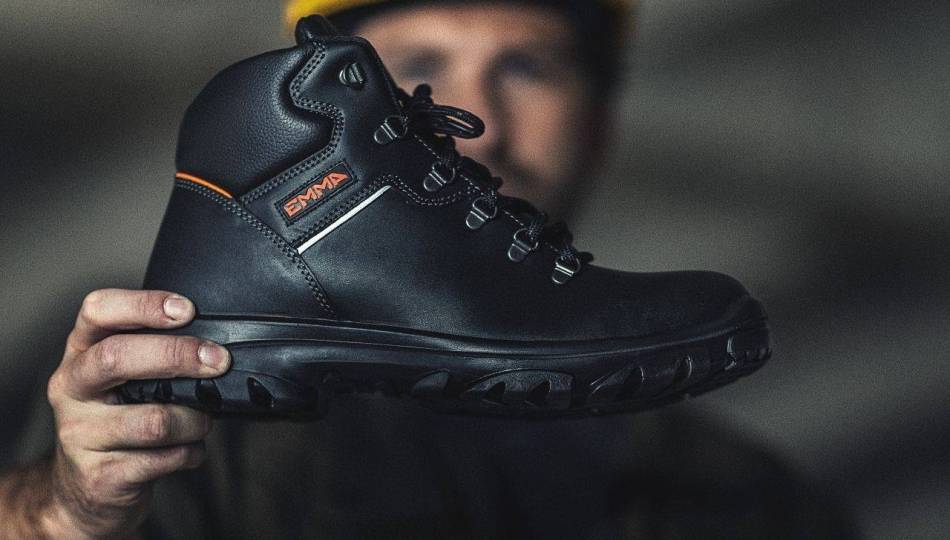
S1P safety shoes
Protection for dry, fast-paced working environments where there’s a lot going on
S1P safety shoes are designed for dry working conditions where protection against impact and sharp objects is important. These shoes combine a protective toe cap with a puncture-resistant midsole, ensuring your feet remain well protected whilst you work.
What does S1P stand for?
An S1P safety shoe meets the following requirements:
- Steel or composite toe cap: Protects the toes against falling or impact objects up to 200 joules.
- Closed heel: Provides extra stability and support.
- Antistatic properties: Prevents the build-up of static electricity.
- Energy absorption in the heel: Cushioning whilst walking and standing, for greater comfort during long working days.
- Puncture-resistant midsole: Made of steel or woven material, tested to resist penetration by sharp objects (such as nails).
When should you choose S1P?
S1P safety shoes are suitable for working environments such as:
- Warehouses
- Assembly and production lines
- Logistics
- Light industry
Lightweight, protective and comfortable
Thanks to the combination of protection and relatively low weight, S1P safety shoes are ideal for those who are constantly on the move. They offer robust safety without compromising on comfort – throughout the entire working day.
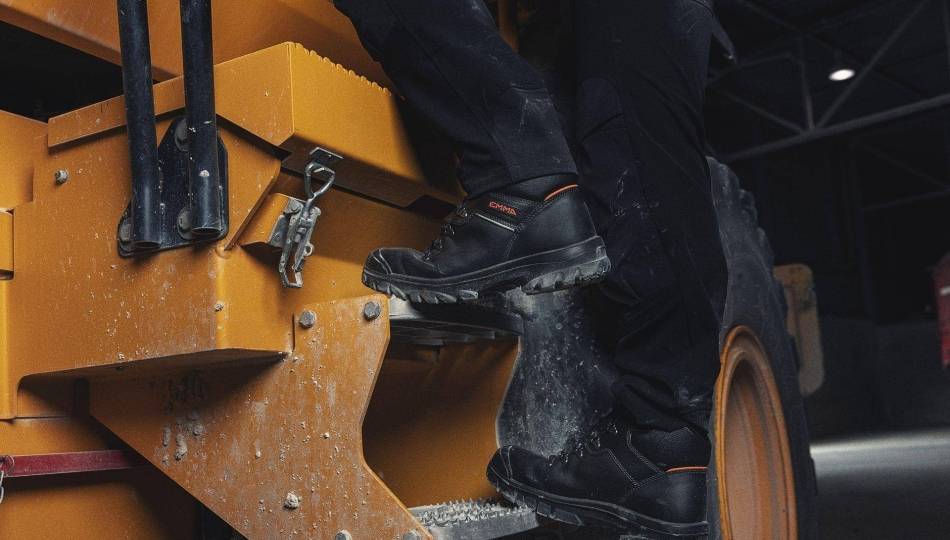
S1PS safety shoes
Flexible protection for dry working environments involving sharp materials
S1PS safety shoes offer the same basic protection as S1P, but with one important difference: a flexible, non-metallic puncture-resistant midsole. This makes these shoes particularly suitable for dry working environments where there is a lot of walking, bending or kneeling.
What does S1PS stand for?
An S1PS safety shoe meets the following requirements:
- Steel or composite toe cap: Protects the toes against impacts of up to 200 joules.
- Closed heel: For extra stability whilst walking and standing.
- Antistatic properties: Reduce the risk of electrostatic discharge.
- Energy absorption in the heel: Provides cushioning and greater comfort with every step.
- Non-metallic puncture-resistant midsole: Made from woven material, tested to the highest puncture resistance standard using a 3 mm nail. Lightweight, flexible and effective against sharp objects.
When should you choose S1PS?
S1PS safety shoes are ideal for:
- Warehouses
- Workshops
- Assembly and production lines
- Light industry
Lightweight, flexible and reliable
Thanks to its non-metallic midsole, the S1PS is lightweight and flexible. This makes this standard particularly suitable for professionals who move around a lot or kneel regularly, without compromising on safety or comfort.
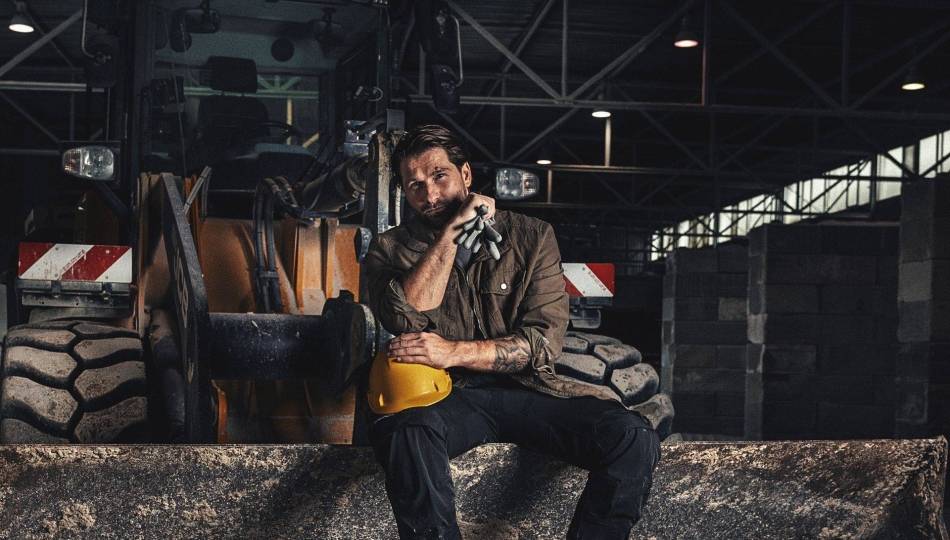
S2 safety shoes
Protection for damp working environments where hygiene is key
S2 safety shoes are suitable for working environments where moisture is a regular feature, but where there is no risk of sharp objects. The water-repellent upper helps to keep feet dry in controlled conditions.
What does S2 stand for?
An S2 safety shoe meets the following requirements:
- Steel or composite toe cap: Protects the toes against impacts of up to 200 joules.
- Closed heel: Provides stability and support.
- Antistatic properties: Reduce the build-up of static electricity.
- Energy absorption in the heel: Cushioning whilst walking and standing, for extra comfort.
- Water-repellent upper: Resists water penetration and absorption.
When should you choose S2?
S2 safety footwear is suitable for working environments such as:
- Food industry
- Laboratories
- Cleaning services
- Other damp workplaces where hygiene is important
Practical, hygienic and comfortable
Thanks to the water-repellent material and the closed construction, S2 safety shoes are easy to keep clean. Combined with good grip and shock absorption in the heel, they ensure safety and comfort – even in wet or slippery conditions.
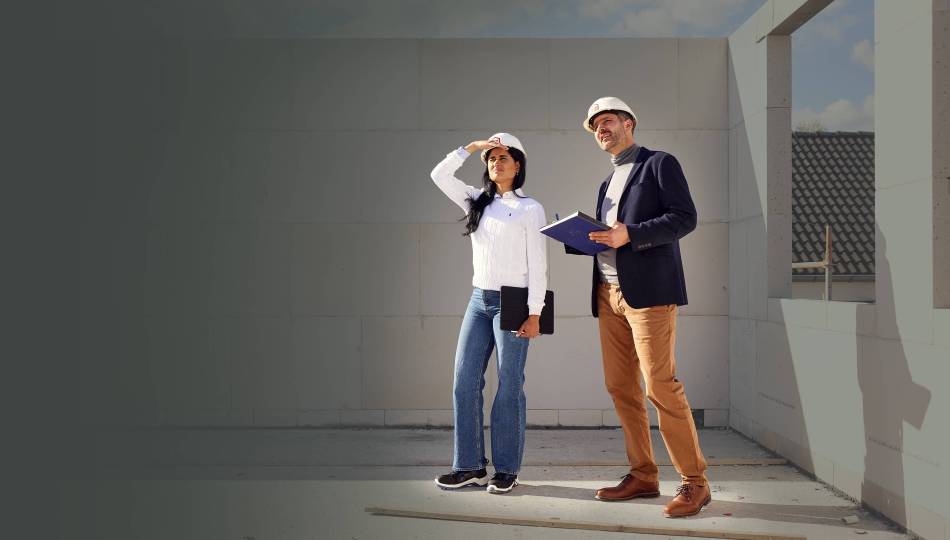
S3 safety shoes
Robust protection for wet and harsh working conditions
S3 safety shoes have been designed for demanding working environments where moisture, sharp objects and uneven surfaces are all present. This standard combines a water-repellent upper with a puncture-resistant midsole, ensuring your feet remain well protected in tough conditions.
What does S3 stand for?
An S3 safety shoe meets the following requirements:
- Steel or composite toe cap: Protects the toes against impacts of up to 200 joules.
- Closed heel: Provides stability and support during intensive work.
- Antistatic properties: Reduce the risk of electrostatic discharge.
- Energy absorption in the heel: Provides cushioning and comfort during prolonged walking and standing.
- Water-repellent upper: Keeps feet dry in wet working conditions.
- Puncture-resistant midsole: Made of steel or woven material, tested to resist penetration by sharp objects (such as nails).
When should you choose S3?
S3 safety footwear is suitable for, amongst other things:
- Construction sites
- Agricultural work
- Infrastructure and groundworks
- Heavy industrial environments
Reliable for heavy and prolonged work
The combination of water-repellent materials, a puncture-resistant midsole and good grip makes the S3 a reliable choice for intensive use.
S3S safety shoes
Flexible protection for wet working environments
S3S safety shoes offer the same comprehensive protection as S3, but with a non-metallic puncture-resistant insole. This provides greater flexibility and a lower weight.
What does S3S stand for?
An S3S safety boot meets the following requirements:
- Composite or steel toe cap: Protects the toes against impacts of up to 200 joules.
- Closed heel: For stability and support whilst working.
- Antistatic properties: Reduce the risk of electrostatic discharge.
- Energy absorption in the heel: Provides cushioning and extra comfort during prolonged walking and standing.
- Water-repellent upper: Suitable for working in damp conditions.
- Non-metallic puncture-resistant insole: Made from woven material, tested to the highest puncture resistance standard using a 3 mm nail and a force of up to 1,100 Newtons. Lightweight, flexible and reliable.
When should you choose S3S?
S3S safety footwear is suitable for, amongst other things:
- Construction and finishing work
- Landscaping
- Industry
- Work in damp or variable conditions
A comfortable all-rounder for every working day
Thanks to its metal-free, puncture-resistant insole, the S3S is lighter and more flexible than a traditional S3 safety boot. Combined with good grip, water-repellent materials and shock absorption in the heel, this is a reliable all-rounder for intensive and prolonged use.
O1 safety shoes
Comfortable work shoes for dry working environments
O1 work shoes are designed for dry working conditions where a protective toe cap is not required. They focus primarily on comfort, grip and support whilst working, without additional safety features such as water resistance or puncture protection.

O2 safety shoes
Comfort and grip in damp working environments
O2 work shoes are designed for work environments where a safety toe cap is not required, but where comfort, grip and water resistance are essential. These shoes offer reliable support and stability in damp conditions, without the additional protection of a safety shoe.
What does O2 stand for?
An O2 work boot meets the following requirements:
- No protective toe cap: Suitable for workplaces where impact protection is not mandatory.
- Closed heel: Provides stability whilst walking and standing.
- Antistatic properties: Reduce the risk of electrostatic discharge.
- Energy absorption in the heel: Provides cushioning and extra comfort during long working days.
- Water-repellent upper material: Resists water penetration and absorption.
When should you choose O2?
O2 work shoes are suitable for, amongst other things:
- Logistics
- Leisure and hospitality
- Healthcare
- Facilities management
- Work in damp or variable conditions
Practical, lightweight and comfortable
Thanks to the water-repellent material, good grip and shock absorption in the heel, O2 work shoes are comfortable to wear all day long. They provide stability on wet floors and comfort during prolonged walking or standing – without the extra stiffness of a safety boot.
O3 safety shoes
Extra protection in damp working environments
O3 work shoes are suitable for damp working conditions where a safety toe cap is not required, but where you do need protection against sharp objects on the floor. This standard builds on the O2 standard and adds a puncture-resistant midsole for extra safety.
What does O3 stand for?
An O3 work boot meets the following requirements:
- No protective toe cap: Suitable for workplaces where toe protection is not mandatory.
- Closed heel: For stability whilst walking and standing.
- Antistatic properties: Reduce the build-up of static electricity.
- Energy absorption in the heel: Cushioning and comfort during prolonged use.
- Water-repellent upper material: Resists water penetration and absorption.
- Puncture-resistant midsole: Made of steel (tested with a 4.5 mm nail) and designed to keep sharp objects out, up to a force of 1100 Newtons.
When should you choose O3?
O3 work shoes are suitable for working environments such as:
- Logistics
- Facilities management
- Field service and maintenance
- Workplaces with moisture and a risk of sharp objects
Safety and comfort, all day long
O3 work shoes are designed for daily use in varying conditions. Thanks to the water-repellent finish and good grip, you can keep moving comfortably. And with the puncture-resistant midsole, you can work with a little more confidence, even on rough surfaces.
Want to find out more?
Would you like to find out more about how safety standards work and when you need which standard?
Read more about safety standards and classifications. [add link]